

Choosing a web designer is one of the most important decisions you’ll make for your business. A great website can generate leads, build trust, and grow your company. A bad one can waste thousands of dollars and leave you starting over in a year.
If you're searching for a web designer in Austin, you’re not alone. With so many freelancers, agencies, and DIY options available, it can be tough to know who to trust. This guide will walk you through exactly what to look for, what to avoid, and how to make the right decision for your business.
Why Choosing the Right Web Designer Matters
Your website is more than just a digital brochure. It’s often your first impression, your sales tool, and your main source of leads. A well-built site should represent your brand clearly, load quickly and work on all devices, be structured for SEO, and convert visitors into leads. This is why choosing the right partner for your website design services is critical. Not all web designers focus on performance and results, and that difference shows over time.
Know What You Need Before You Compare
Web designers and web design companies don’t all offer the same thing. Some focus mainly on visual design, while others put more weight on SEO, lead generation, or long-term website management. Some work from templates, and others design every site from scratch. Before you start comparing quotes, get clear on what your website needs to do. If it’s expected to bring in leads and help your business grow, you need more than a nice-looking homepage, and the right partner is the one who builds for that goal. We cover the bigger picture in our article on what makes a great small business website.
The Different Types of Web Designers (And What to Expect)
Not all web designers offer the same level of service. Here’s a quick breakdown:
Freelancers
Freelancers can be a good option for smaller projects or tight budgets.
Pros:
- Lower cost
- Flexible
Cons:
- Varying quality
- Limited strategy or SEO
- Less long-term support
Small Agencies
Small agencies offer a balance between cost and expertise.
Pros:
- More structured process
- Better design and strategy
- Ongoing support
Cons:
- Slightly higher investment
This is often the sweet spot for businesses looking for a professional website that actually performs.
Large Agencies
Larger agencies typically work with bigger companies and more complex projects.
Pros:
- Full teams and resources
- Advanced capabilities
Cons:
- Higher costs
- Less personalized experience
What to Look for in a Web Designer
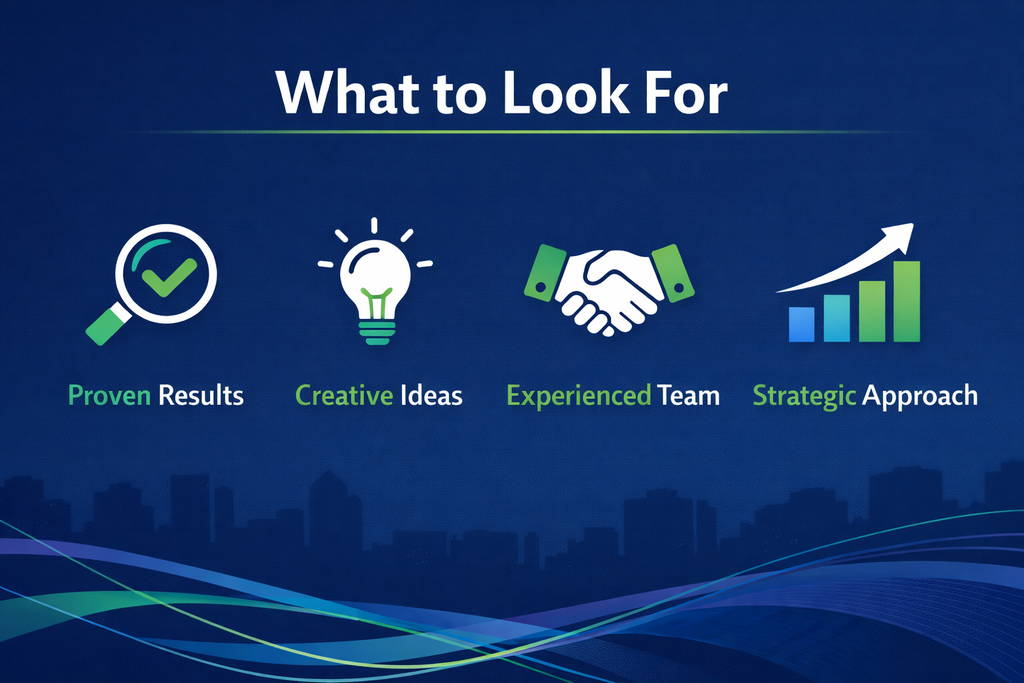
This is where most people get it wrong. They focus too much on price or visuals and not enough on results. Here’s what actually matters:
A Strong Portfolio
Always review past work. Look for:
- Clean, modern designs
- Variety across industries
- Sites that feel professional and functional
You can get a sense of what to expect by reviewing a company’s client portfolio and seeing if their style aligns with your goals.
Focus on Results, Not Just Design
A good-looking website is not enough. Your website should be built to rank on Google, generate leads, and guide users toward action. This is where experience in digital marketing services becomes a major advantage. Design and marketing should work together, not separately.
Clear Pricing and Process
You should understand what’s included, what’s not included, and how long the project will take. If pricing feels vague or unclear, that’s usually a red flag. Reviewing a transparent website pricing breakdown can help set expectations before you commit.
Communication and Support
You want someone who:
- Responds quickly
- Explains things clearly
- Offers ongoing help after launch
Websites are not “set it and forget it.” Having reliable support matters.
Red Flags to Watch Out For
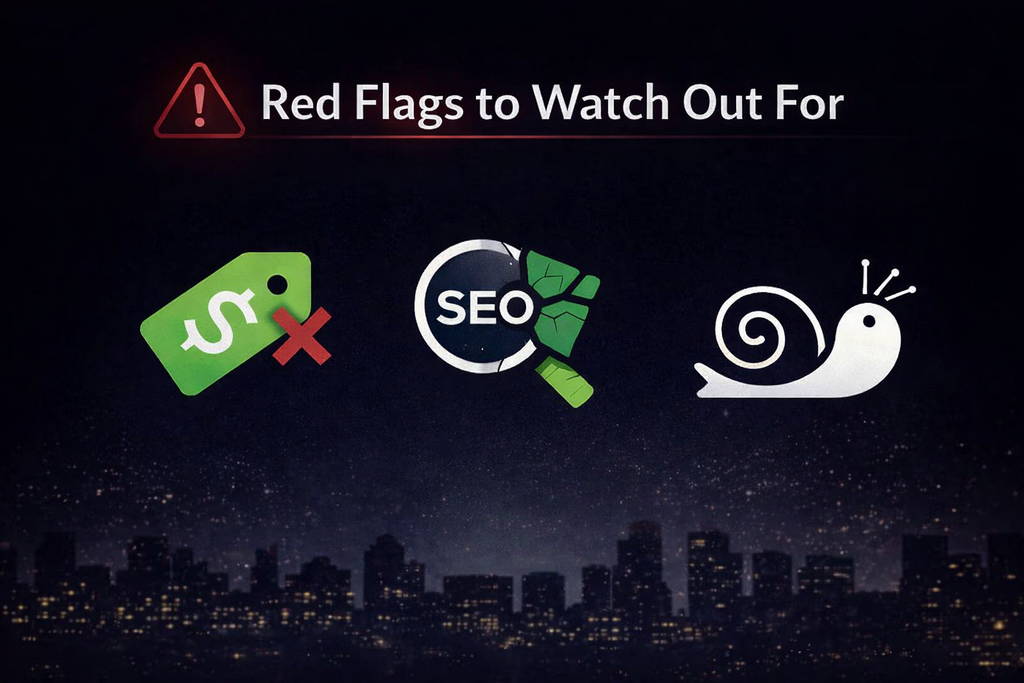
Avoid these common mistakes when choosing a web designer:
Extremely Low Pricing
If a quote seems too good to be true, it usually is. Cheap websites often lack SEO structure, performance optimization, conversion strategy, and more. This often leads to rebuilding the site later, costing more in the long run.
No SEO Strategy
If SEO is not part of the conversation, that’s a problem. Without SEO, your website may never get traffic, no matter how good it looks.
No Real Portfolio
If you can’t see real examples of past work, it’s hard to trust the quality.
Overpromising Results
Be cautious of anyone guaranteeing rankings or instant success. Good SEO and website performance take time and consistency.
Questions to Ask Before You Hire
A short conversation can tell you a lot about how a web designer works. Before you sign anything, ask:
- What does your process look like, from planning to launch?
- How long will my project take, and what could slow it down?
- How do you handle SEO during the build?
- Will my site be custom designed or built from a template?
- What support do you offer after launch?
- Can I see examples of similar projects you’ve built?
- How do you measure whether a website is successful?
A good designer will answer these clearly and without hedging. If the answers are vague now, communication usually doesn’t get better once the project starts. For a realistic sense of timing, our guide on how long it takes to build a website walks through each phase.
Local vs Remote Web Designers
Do you need someone in Austin, or can you hire remotely? There are benefits to both, but working with someone familiar with the Austin market can be helpful. A local designer understands your target audience, local competition, and also regional SEO opportunities. That said, what matters most is experience and results, not just location.
How Much Should You Expect to Pay?
Website pricing varies based on scope, strategy, and features. If you haven’t already, check out our detailed guide on website cost in Austin to better understand pricing ranges and what goes into them. Choosing based on value instead of price alone will almost always lead to better results.
Final Thoughts
Choosing a web designer is not just about finding someone who can build a website. It’s about finding a partner who understands your business and can help you grow. Take your time, ask the right questions, and focus on long-term value. If you're ready to start a project or want help evaluating your options, you can always contact our team to talk through your goals and next steps.
Still have questions about choosing a web designer? Here are some of the most common questions we hear from Austin business owners:
FAQs
How do I know if a web designer is good?
A good web designer has a strong portfolio, a clear process, and asks about your business goals before talking about colors and fonts. Look for live websites you can click through that load quickly and work well on mobile devices, not just polished mockups. Ask how they handle SEO, content, and testing before launch, and notice whether they explain things in plain language. Reviews from past clients and examples in your industry are better proof of quality than a sales pitch.
Should I choose a web designer based on price?
No, price alone is not a reliable way to choose a web designer. Low-cost options often skip the work that makes a website pay off, such as SEO setup, speed optimization, mobile testing, and a clear path for visitors to contact you. A high price does not guarantee results either. Compare what each proposal actually includes, how the designer defines success, and what support looks like after launch. Our Austin website cost guide explains what different budgets typically get you.
How do I choose the best web design company in Austin?
The best web design company in Austin for your business is the one whose portfolio, process, and pricing fit your goals. Start by reviewing live websites they have built, then ask how they handle SEO, mobile performance, and lead generation, and exactly what is included in the price. A good company asks about your customers and services before quoting. Knowing the Austin market is a plus, especially for local service businesses, but proven experience and clear communication matter most.
Do web designers handle SEO as well?
Some web designers handle SEO and many do not, so ask before you hire. Designers who focus only on visuals may deliver an attractive website with missing page titles, weak structure, and slow load times. A designer who builds SEO into the project sets up clean URLs, proper headings, meta titles and descriptions, fast performance, and pages built around real customer searches. At Austin Custom Web, our team builds that SEO foundation into every website, and ongoing SEO is available through our marketing services.
Can I update my website after it is built?
Yes, you can update your website yourself after it is built, as long as it runs on an editable platform like WordPress. With a custom WordPress website, you can change text, swap images, and add blog posts without hiring a developer. Bigger changes, such as new page layouts or features, are usually easier with professional help. Before you hire, ask how editing works and whether ongoing support is available, such as Austin Custom Web’s Ongoing Website Care Plans.
Should I hire a freelancer or an agency to build my website?
Hire a freelancer for a simple, budget-limited project, and a small agency when you need design, SEO, and ongoing support handled together. Freelancers can be affordable and flexible, but one person may not cover strategy, development, and maintenance, and availability can become an issue. Large agencies bring big teams, but usually at higher prices with less personal attention. For most small businesses, a small agency is the best fit because you get a full team, a clear process, and direct communication with the people building your site.